
Criador de Autocolantes
Transforme qualquer foto num autocolante de WhatsApp e Telegram — removemos o fundo automaticamente, adicionamos um contorno limpo e a sua legenda, e exportamos um WebP transparente 512×512 pronto a usar.
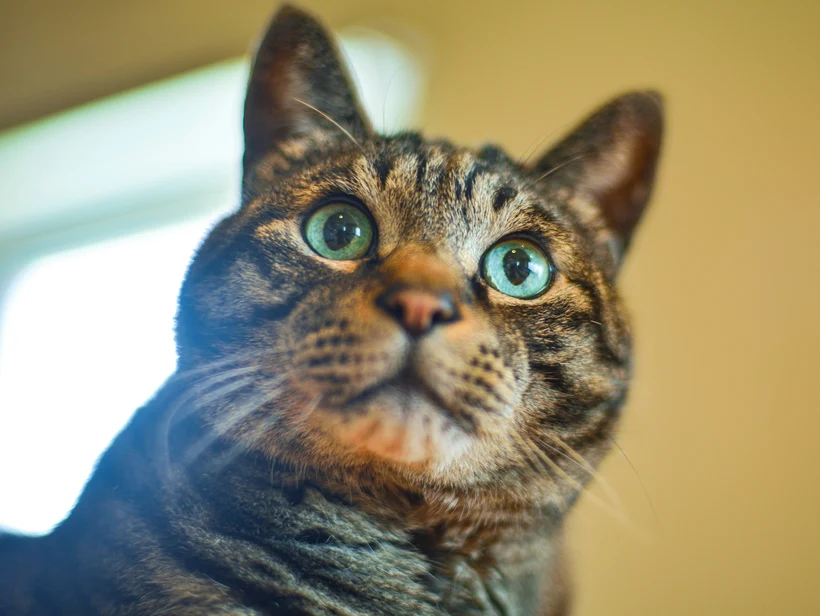
Largue uma fotografia
ou clique para procurar — um assunto nítido (uma pessoa, animal ou objeto) funciona melhor
Prima Ctrl V para colar
As suas imagens nunca saem do seu dispositivo
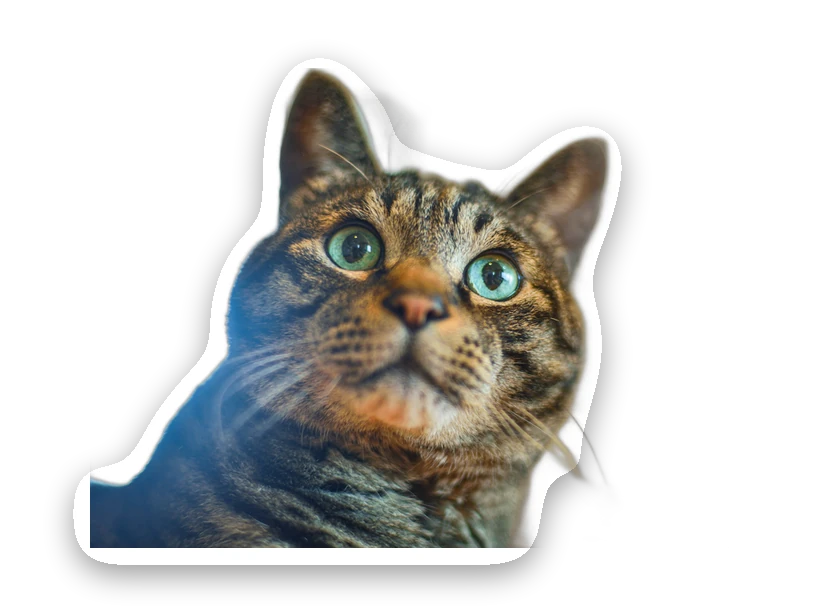
Como fica numa conversa
WebP transparente 512×512 — pronto para WhatsApp
Arraste para mover · role ou belisque para ampliar · arraste o texto para o posicionar
Toque num emoji para o colocar no autocolante e depois arraste-o para o sítio certo.
Os pacotes do WhatsApp precisam de pelo menos 3 autocolantes. Importe o ZIP com uma app de autocolantes como o WSTick ou o Sticker.ly.
Como fazer um autocolante
Recortamos o assunto automaticamente — sem fundo verde, sem máscaras manuais.
Amplie e rode para enquadrar o assunto, adicione o clássico contorno branco e arraste a legenda para onde quiser.
Transfira o WebP 512×512 e adicione-o através de uma app de autocolantes como o Sticker.ly ou o WSTick.
O autocolante exportado é um WebP transparente de 512×512 com uma pequena margem — exatamente o que o WhatsApp e o Telegram esperam. Tudo corre no seu navegador, por isso a sua foto nunca sai do seu dispositivo.
Making stickers that read well
The outline is what makes it a sticker
A die-cut white border around the subject is not decoration — it is what separates a sticker from a cut-out photo. Chat apps show stickers over wallpapers, photos and both light and dark themes, and a bare cut-out disappears against a background close to its own colours.
The outline provides contrast against anything. That is why the convention exists across every sticker format from physical vinyl to WhatsApp, and why a sticker without one looks unfinished.
Platform requirements
The main chat platforms differ enough to matter:
- WhatsApp: 512 × 512 PNG with a transparent background, under 100 KB for static stickers, and a small margin of empty space around the subject.
- Telegram: 512 pixels on the longest side, PNG or WebP, with the other dimension free.
- Discord: 320 × 320, and animated stickers are Nitro-only.
- Signal: 512 × 512 WebP, with a strict per-sticker file-size budget.
Choosing a subject
Stickers are viewed small and in a busy chat, so the same rule applies as for emotes and favicons: one clear subject, strong silhouette, high contrast.
Faces and expressive gestures work best because they carry meaning at a glance. Wide shots, scenes and anything with fine detail or small text do not — by the time the sticker is rendered in a conversation, that detail is gone.
Edges matter more here than usual
Because the outline traces the cut-out exactly, any error in the removal becomes a visible feature of the sticker. A missed strand of hair becomes a spike in the border; a chunk of leftover background becomes a lump.
Check the outline at full zoom before adding the border, and use the refine brush to tidy the silhouette. It is worth simplifying deliberately — a slightly smoothed outline usually makes a better sticker than a perfectly faithful one.
Perguntas frequentes
How do I make a WhatsApp or Telegram sticker?
Do stickers need a transparent background?
Is the sticker maker free and private?
Can I change the outline thickness or colour?
What size are the exported stickers?
Mais ferramentas grátis e privadas
Exporte aqui e continue a editar ali — a sua imagem acompanha-o, sem novo carregamento.
Leitura relacionada
- What is a transparent background? What an image with no background is called, which file formats support transparency, why cut-outs get white fringes, and why a JPG can never be transparent. 9 min de leitura
- How to make stickers that actually work in WhatsApp and Telegram The real technical rules for WhatsApp and Telegram stickers — 512x512, the 100 KB cap, why transparency matters, and how to make one from a photo. 6 min de leitura